Selective Is the New Social
Why smaller, more intentional circles are becoming the new social.
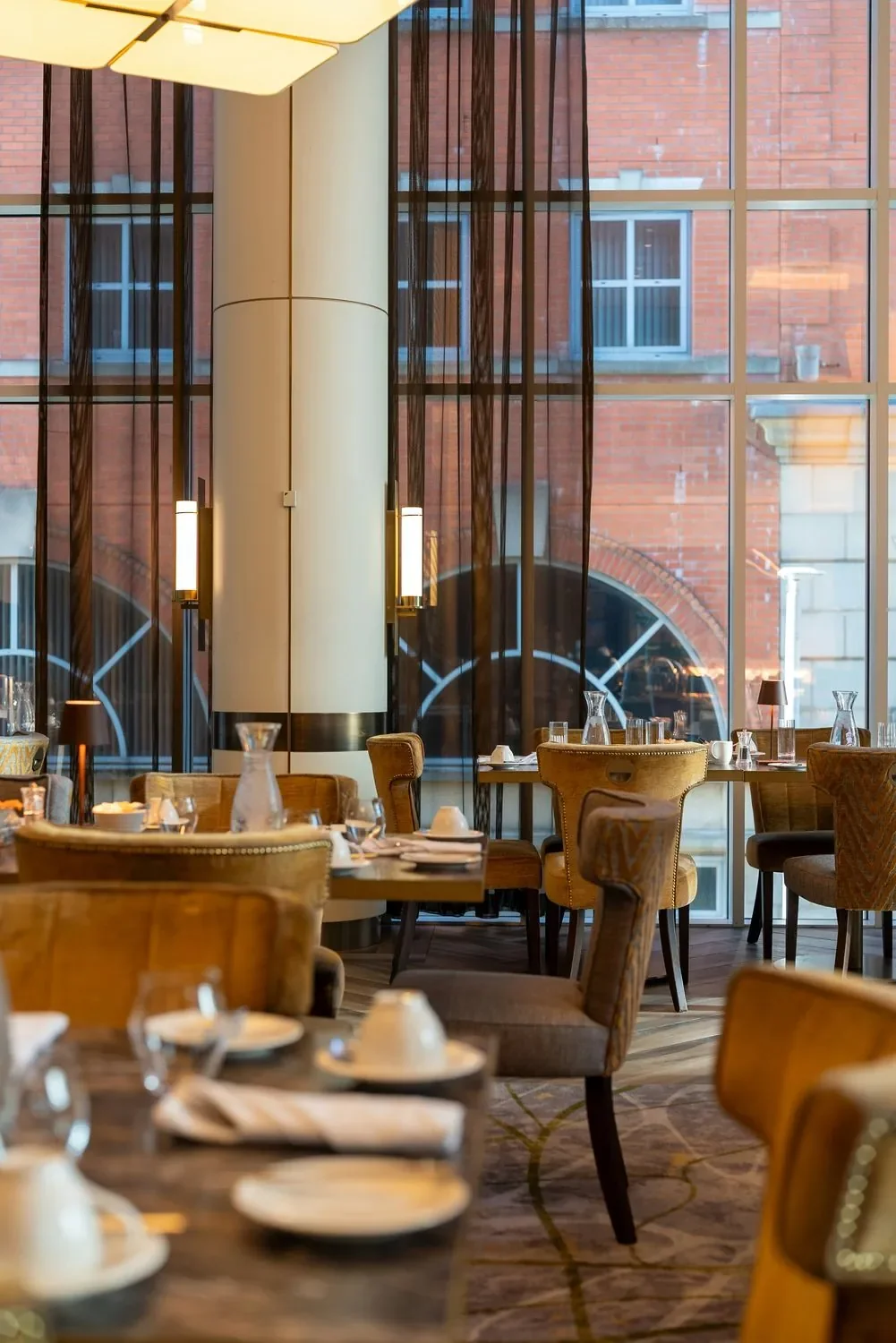
Friday, 18:42. Dinner in the 8th. A birthday in the Marais. Somebody has a table after midnight. Another friend has sent a location with no explanation. Three group chats are active and nobody has actually decided anything.
For years, a full calendar signalled social success. More invitations meant more access; more access meant you were close to the centre. But the mood is changing. Not because people suddenly want to stay home, and not because nightlife is disappearing. The shift is subtler: people are becoming more selective about what deserves their time.
The "real" is becoming more valuable
Eventbrite's 2026 Reset to Real study identifies a cluster of behaviours among Gen Z and Millennials: hidden gems, spontaneous moments, "soft socialising", neighbourhood revival and gatherings where guests can participate rather than simply attend. The language is useful because it describes what many people already feel: highly produced social life can become exhausting.
Pinterest has observed a similar movement from online inspiration toward offline activity, especially among Gen Z. TikTok's 2026 trend report, meanwhile, describes audiences moving away from constant romanticising and toward more candid, grounded stories about work, routines and real life.
The new status symbol is not being invited everywhere. It is having enough taste to know where you actually want to be.
A good night does not need three locations
There is an underrated confidence in staying. Keeping the table. Ordering another bottle of water. Letting the conversation become the event instead of treating dinner as pre-content for the next room.
This does not mean every night should become a small dinner party. It means the night has permission to find its own shape.
Soft socialising is not anti-social
The best examples are low-pressure but high-quality: a gallery opening followed by one drink; a Sunday lunch that becomes four hours; a run club where the coffee matters as much as the kilometres; dinner at the bar instead of a twelve-person table where nobody hears anyone; a friend inviting two people from completely different parts of her life.
These formats are interesting because they make connection easier. They create room for conversation without requiring everyone to perform.
Your neighbourhood can be a network
Another shift in Eventbrite's research is a renewed interest in neighbourhood-based experiences. That is important in cities like Paris, where social life can become a constant cross-city optimisation problem. Knowing the café, studio, restaurant, gym or bar around you is not less exciting than chasing every opening. Over time, familiarity can create the kind of access that cannot be booked.
The morning after is part of the night
Deloitte's 2026 research shows younger adults placing more weight on sustainable progress and well-being. That mindset does not stop at work. There is a quiet form of luxury in waking up rested enough to train, work, travel or simply have a Sunday that belongs to you.
Balance is not a retreat from ambition or nightlife. It is what allows both to remain enjoyable.
Choose the collision, not the crowd
Selective socialising should never become a closed loop of the same five people. The most valuable room can still be the unexpected one: a model beside an architect, a student beside a founder, a photographer beside someone in finance. The point is not fewer people for the sake of exclusivity. The point is better combinations.
Selectivity is not scarcity. It is judgement.
Go out. Accept the strange invitation. Travel last-minute. Stay until late when the room is good. Leave early when it is not. The modern social skill is not being everywhere. It is building a life where the places you choose actually add something.
Sources :